
How Can Friendship Day Help Reduce Loneliness Among Seniors?
How Can Friendship Day Help Reduce Loneliness Among Seniors?
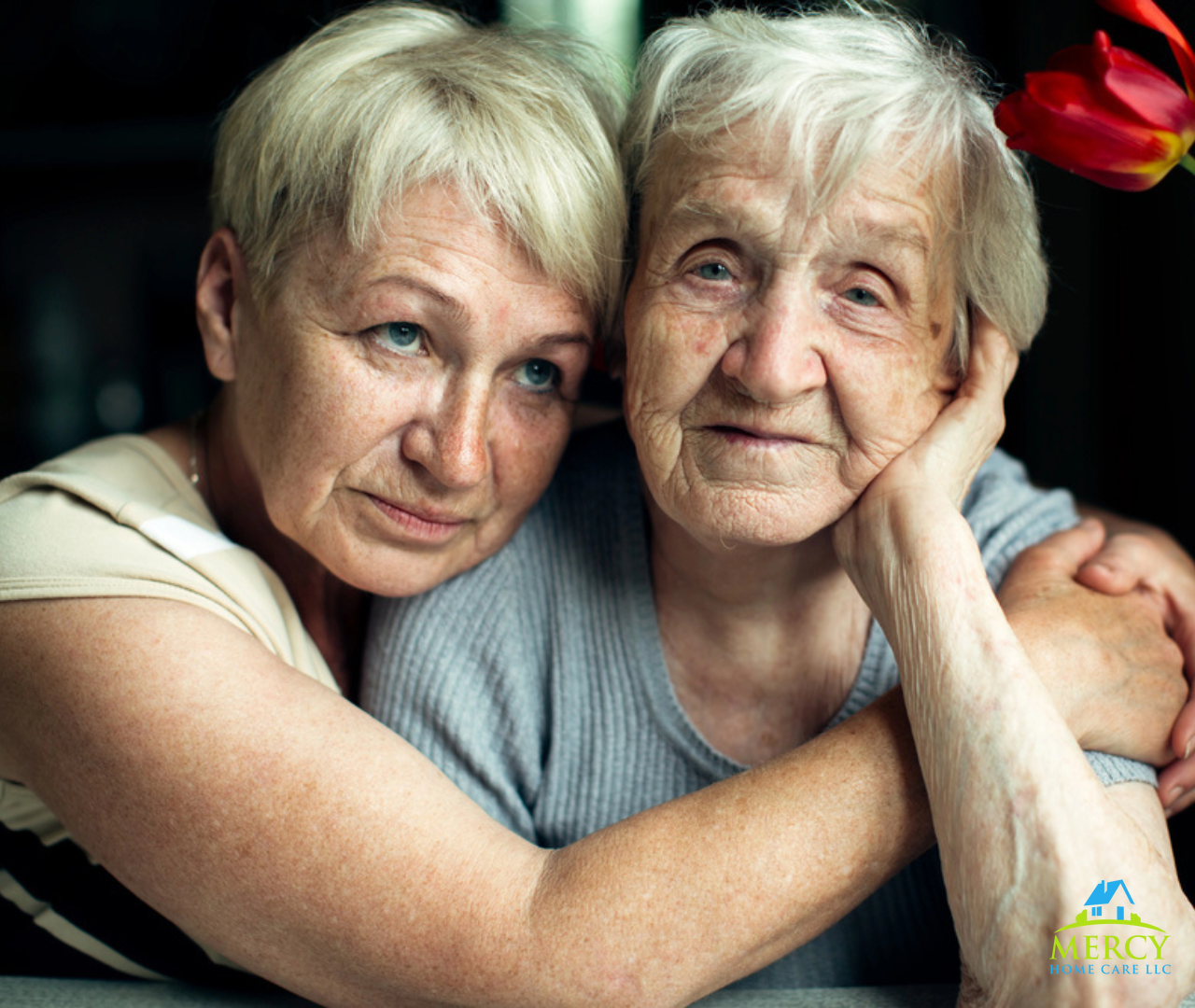
Friendship Day helps reduce loneliness among seniors by encouraging meaningful social connections, regular communication, and shared experiences. Spending time with friends, family members, neighbors, and caregivers can improve emotional well-being, increase confidence, and help older adults feel more connected to their communities. Even small acts of kindness can make a lasting difference.
Friendship Day, celebrated on the first Sunday of August, is a reminder that relationships play an important role in healthy aging. As people grow older, they may experience retirement, reduced mobility, or the loss of loved ones. These life changes can sometimes lead to feelings of loneliness. Friendship Day encourages everyone to strengthen existing relationships and create new opportunities for connection.
Why Social Connections Matter for Seniors
Strong social relationships support both emotional and physical well-being. Seniors who stay connected with others often enjoy a higher quality of life and greater overall happiness.
Healthy social connections can help:
- Reduce feelings of loneliness
- Improve mood
- Encourage daily activity
- Build self-confidence
- Support memory and cognitive health
- Increase a sense of belonging
Simple conversations and regular visits can have a positive impact on emotional wellness.
Common Causes of Loneliness
Loneliness can affect older adults for many reasons. Understanding these challenges helps families and caregivers provide better support.
Some common causes include:
- Retirement from work
- Living alone
- Limited mobility
- Loss of friends or family members
- Health conditions
- Reduced opportunities for social activities
Recognizing these situations early allows loved ones to encourage meaningful social interaction.
Spend Quality Time Together
Friendship Day is a wonderful opportunity to strengthen relationships through simple activities.
Families and friends can:
- Share a meal together
- Take a walk in the neighborhood
- Watch a favorite movie
- Play board or card games
- Look through family photo albums
- Visit a local park
These shared experiences help seniors feel appreciated and included.
Encourage Regular Communication
Staying in touch does not always require a long visit. Consistent communication can make a meaningful difference.
Simple ways to stay connected include:
- Making weekly phone calls
- Sending text messages
- Scheduling video chats
- Writing thoughtful notes
- Sharing family updates
- Checking in regularly
Small conversations help seniors feel remembered and supported.
Join Community Activities
Community programs provide valuable opportunities for seniors to build friendships and stay active.
Consider participating in:
- Senior center events
- Book clubs
- Exercise classes
- Volunteer opportunities
- Hobby groups
- Educational workshops
Meeting others with similar interests encourages lasting friendships.
Support Meaningful Hobbies
Hobbies provide enjoyment while creating opportunities for social interaction.
Popular activities include:
- Gardening
- Painting
- Knitting
- Cooking
- Music
- Bird watching
- Reading groups
- Arts and crafts
Shared hobbies help seniors connect with others in a relaxed setting.
Encourage Physical Activity
Physical activity often supports emotional well-being by bringing people together and promoting healthy routines.
Activities may include:
- Walking with friends
- Gentle stretching
- Chair exercises
- Gardening
- Group fitness classes
- Dancing for seniors
Always choose activities that match individual abilities and health needs.
Use Technology to Stay Connected
Technology makes it easier for seniors to maintain relationships with loved ones, even from a distance.
Helpful tools include:
- Video calls
- Family group chats
- Online hobby communities
- Digital photo sharing
- Virtual celebrations
Caregivers can assist seniors in learning how to use these tools comfortably and safely.
Celebrate Friendship During the Summer
Friendship Day takes place during the summer, making it an ideal time for enjoyable outdoor activities.
Seasonal ideas include:
- Picnics in the park
- Morning walks during cooler hours
- Gardening together
- Outdoor concerts
- Family barbecues
- Visits to local farmers markets
Remember to encourage seniors to stay hydrated, wear sun protection, and avoid excessive heat during outdoor activities.
Connect With Health Observances
Friendship Day complements several health awareness campaigns that promote emotional and physical wellness.
Related observances include:
- Happiness Happens Month
- Healthy Aging Month
- National Family Caregivers Month
- World Mental Health Day
These observances remind families that emotional health is an important part of overall well-being.
The Role of Caregivers
Professional and family caregivers often provide valuable companionship in addition to practical support.
Caregivers can:
- Encourage conversation
- Participate in favorite activities
- Help seniors attend community events
- Support communication with family members
- Celebrate birthdays and special occasions
- Promote independence whenever possible
Compassionate caregiving helps reduce isolation and improves daily quality of life.
Recognize When Additional Support Is Needed
Occasional loneliness is normal, but persistent emotional changes should be taken seriously.
Families should watch for signs such as:
- Withdrawal from social activities
- Loss of interest in hobbies
- Changes in eating or sleeping habits
- Ongoing sadness
- Increased anxiety
- Lack of motivation
If these concerns continue, encourage the senior to speak with a qualified healthcare professional for guidance and support.
Final Thoughts
Friendship Day reminds us that meaningful relationships are an important part of healthy aging. Spending time together, encouraging regular communication, supporting hobbies, and participating in community activities can help reduce loneliness and improve emotional well-being for seniors. By combining these efforts with seasonal activities and health awareness observances, families and caregivers can create stronger support networks that help older adults feel connected, valued, and supported throughout the year.