
How Do Home Care Providers Help Seniors Control Blood Pressure?
How Do Home Care Providers Help Seniors Control Blood Pressure?
Daily Monitoring and Tracking
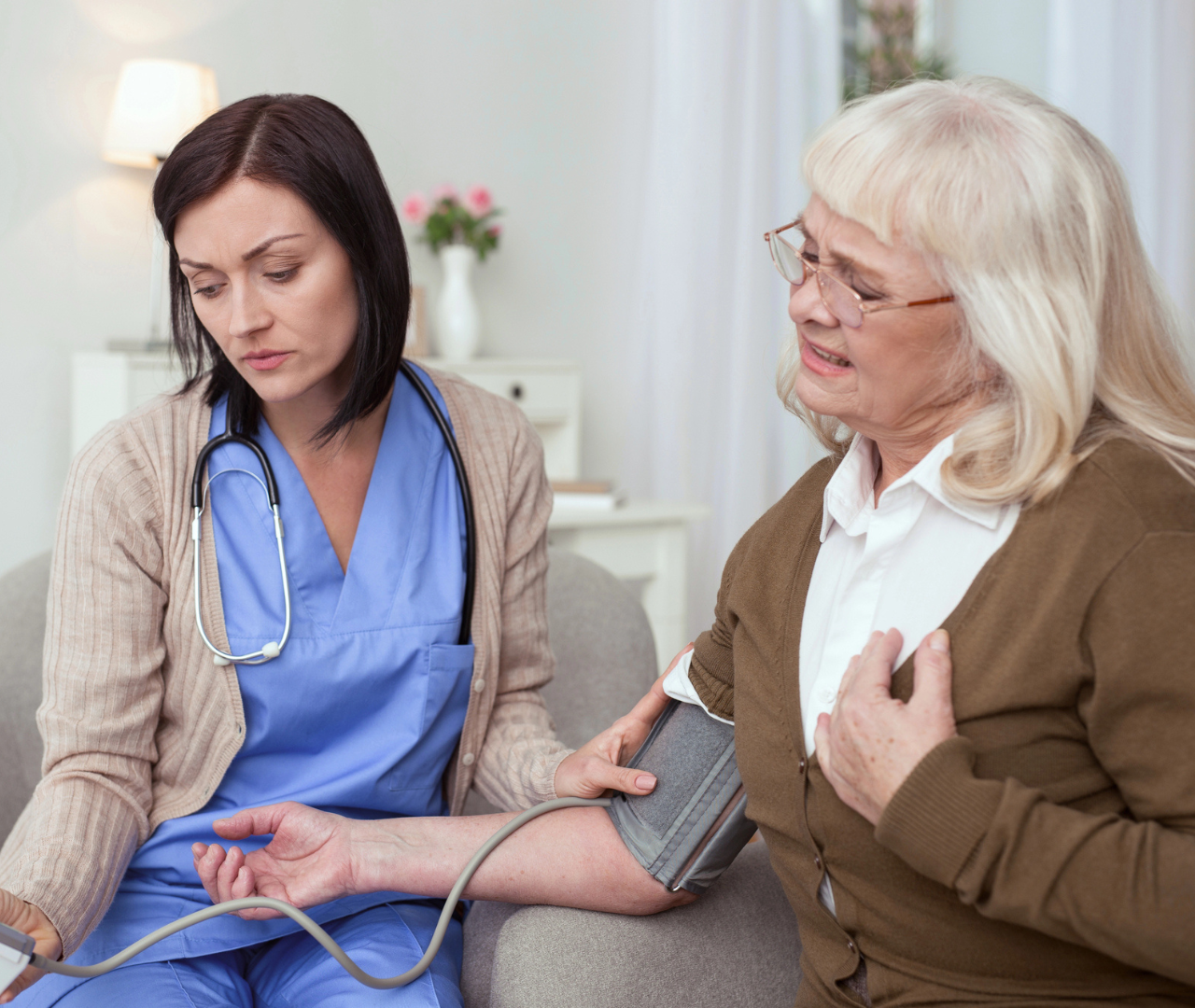
Regular blood pressure monitoring helps detect patterns and prevent sudden spikes or drops. Many seniors forget to check or record readings. Home care providers make this a routine task.
Tips step by step
- Measure blood pressure at the same time each day
- Ensure the senior is seated and relaxed for five minutes before checking
- Use the same arm and proper cuff size each time
- Record readings in a notebook or digital log
- Share abnormal patterns with family or the nurse
Consistent tracking gives doctors better data to adjust treatment if needed.
Medication Support and Accuracy
Missing doses or taking extra doses can destabilize blood pressure. Home care providers help seniors follow medication schedules correctly.
Tips step by step
- Create a written medication schedule
- Use a weekly pill organizer
- Set phone or clock reminders
- Check labels before each dose
- Mark each dose after it is taken
This reduces confusion and prevents dangerous errors.
Heart Healthy Meal Planning
Diet strongly influences blood pressure. Seniors living alone often rely on packaged or salty foods. Home care providers help improve meal quality.
Tips step by step
- Plan simple low sodium meals for the week
- Read food labels for salt content
- Choose fresh or frozen vegetables
- Limit processed and canned foods
- Use herbs, lemon, and spices instead of salt
Better food choices made consistently lead to better pressure control.
Hydration Management
Dehydration can affect circulation and blood pressure balance. Many seniors drink too little water without realizing it. Caregivers actively encourage fluid intake.
Tips step by step
- Offer water every two to three hours
- Keep water bottles within reach
- Use marked bottles to track intake
- Include soups and hydrating fruits
- Link drinking water with medication times
Small, frequent intake works better than large amounts at once.
Safe Physical Activity Support
Light daily movement supports heart health and blood vessel flexibility. Fear of falling often keeps seniors inactive. Home care providers make activity safer and more regular.
Tips step by step
- Start with short indoor walks
- Clear walking paths of obstacles
- Use supportive footwear
- Add chair based exercises
- Track minutes of movement daily
Regular gentle activity can lower resting blood pressure over time.
Weight and Nutrition Observation
Sudden weight gain or loss can signal fluid balance or diet problems. Home care providers keep an eye on these changes.
Tips step by step
- Weigh weekly at the same time of day
- Record weight in a log
- Watch for swelling in legs or feet
- Note appetite changes
- Report unusual trends to family
Early awareness prevents complications.
Stress Reduction and Emotional Support
Stress raises blood pressure through hormonal response. Seniors living alone may experience anxiety or loneliness. Home care providers offer social and emotional stability.
Tips step by step
- Maintain a predictable daily routine
- Encourage conversation and engagement
- Schedule relaxing activities
- Reduce noise and clutter
- Practice simple breathing exercises together
A calmer mind supports steadier pressure readings.
Sleep Routine Improvement
Poor sleep is linked with higher blood pressure. Care providers help seniors maintain better sleep habits.
Tips step by step
- Keep consistent sleep and wake times
- Reduce evening caffeine
- Limit late screen exposure
- Keep the bedroom clean and comfortable
- Encourage a wind down routine
Better sleep improves overall cardiovascular regulation.
Appointment and Care Coordination
Managing blood pressure often requires multiple medical visits. Home care providers help seniors stay organized and prepared.
Tips step by step
- Maintain a medical calendar
- Prepare questions before appointments
- Bring blood pressure logs to visits
- Track medication changes
- Schedule follow ups before leaving the clinic
Coordination improves treatment accuracy.
Home Safety and Environment Control
A safe home environment supports mobility, reduces stress, and encourages healthy routines. Care providers often identify risks that families overlook.
Tips step by step
- Remove tripping hazards
- Improve lighting in walking areas
- Organize kitchen and medication spaces
- Keep frequently used items within reach
- Maintain a clean living environment
When the home is easier to navigate, seniors are more active and confident.
Early Warning Sign Detection
Subtle symptoms can signal blood pressure problems. Home care providers are trained to notice small changes.
Tips step by step
- Watch for dizziness or headaches
- Notice unusual fatigue
- Check for shortness of breath
- Observe confusion or imbalance
- Report symptoms quickly
Early response prevents emergencies.
Final Thoughts
Home care providers play a critical role in helping seniors control blood pressure. They turn medical advice into daily action through structure, monitoring, nutrition support, medication management, safe activity, and emotional care. Blood pressure control is not achieved through one big change. It is built through many small, consistent steps.
Legal Disclaimer: This post is strictly for educational use and should not be construed as professional advice (medical, legal, financial, or otherwise).