
Is Love More Than Romance When It Comes to Senior Health and Longevity?
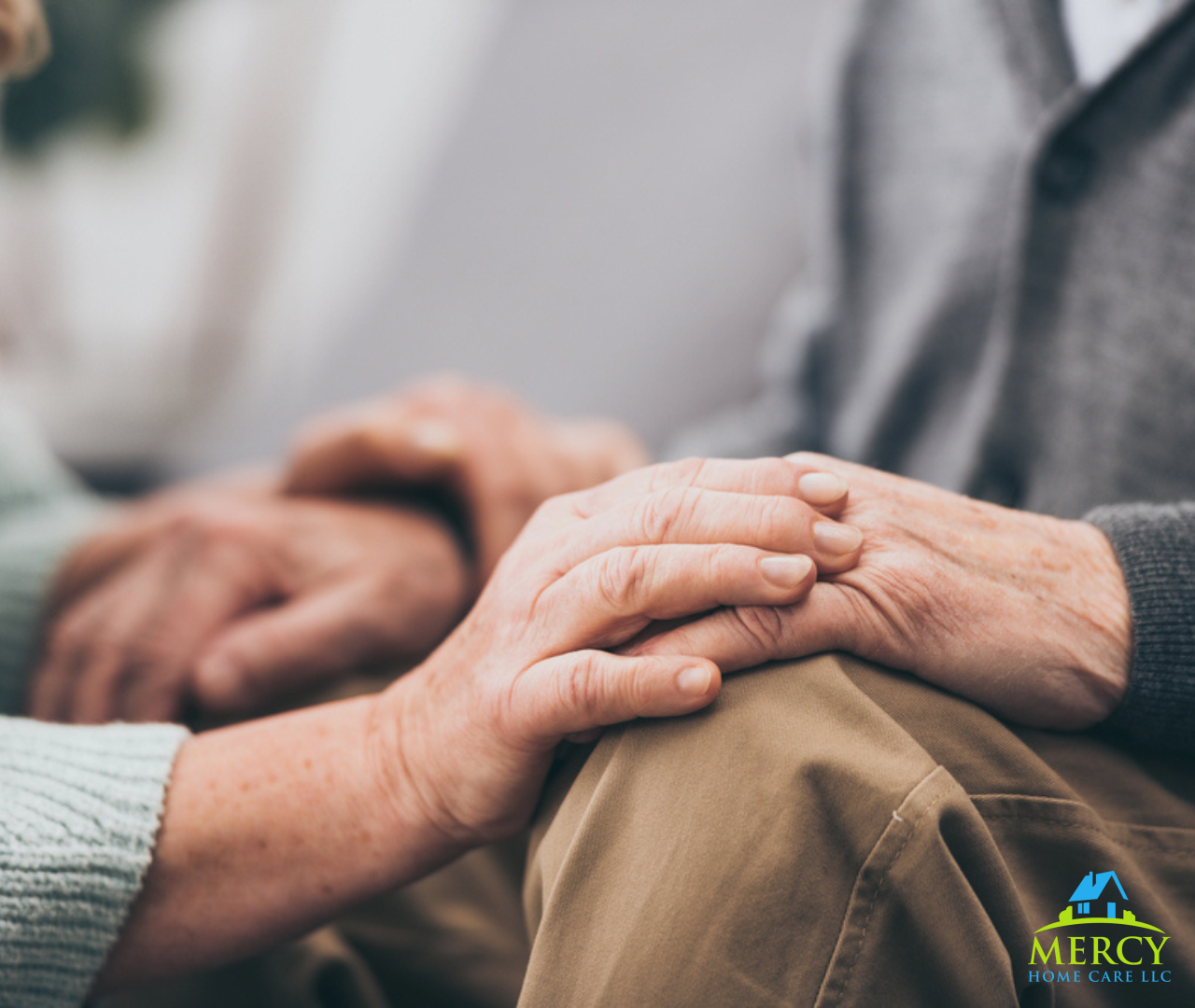
Is Love More Than Romance When It Comes to Senior Health and Longevity?
When we hear the word love, most of us think of romance. Flowers, anniversaries, holding hands, Valentine’s cards. But when it comes to senior health and longevity, love looks very different. It is quieter. It shows up in routines, patience, presence, and care that often goes unnoticed.
After years of working closely with older adults in their homes and communities, I have learned something simple but powerful. Love is not just emotional comfort for seniors. It is a health factor.
In many cases, it is as important as medication, mobility, or medical care.
Love as a Daily Experience, Not a Big Gesture
For seniors, love is rarely about grand expressions. It is about consistency.
It looks like someone checking in without being asked. It sounds like a familiar voice calling just to say hello. It feels like knowing someone will notice if something is off.
These moments may seem small, but they create stability. And stability is deeply tied to physical and mental health as we age.
A senior who feels cared for tends to move more, eat better, and engage with life instead of withdrawing from it. The body often follows the emotional state.
The Physical Impact of Feeling Loved
Longevity is not just about avoiding illness. It is about maintaining balance in the body and mind.
When seniors feel emotionally supported, several physical benefits often follow naturally:
- Reduced stress and lower cortisol levels
- Better sleep patterns
- Improved appetite and digestion
- More consistent movement and activity
- Stronger immune response
Chronic stress accelerates aging. Love helps regulate it.
Even simple acts like shared meals, conversations, or gentle encouragement to stay active can improve cardiovascular health and overall vitality.
Loneliness as a Hidden Health Risk
One of the most underestimated threats to senior health is loneliness.
It does not always look like sadness. Sometimes it shows up as fatigue, irritability, lack of motivation, or declining physical activity. Seniors may stop moving not because they cannot, but because they no longer feel connected to a reason.
Loneliness increases the risk of:
- Heart disease
- Depression and anxiety
- Cognitive decline
- Reduced mobility
- Shortened life expectancy
Love counters loneliness not through constant attention, but through meaningful presence.
Knowing that someone cares enough to notice matters more than constant interaction.
Love and Independence Can Coexist
There is a common misconception that care and love reduce independence. In reality, the opposite is often true.
Seniors who feel emotionally secure are more confident making decisions, maintaining routines, and staying involved in daily life. They are less afraid of asking for help when needed and less likely to isolate themselves.
Love, when offered with respect, strengthens autonomy instead of taking it away.
It says, “You matter, and your independence matters too.”
The Role of Environment in Feeling Cared For
Love is also reflected in the spaces seniors live in.
A well maintained home, clear pathways, comfortable seating, good lighting, and a clean environment all communicate care. Even something as practical as pest prevention plays a role.
When seniors feel safe and comfortable in their own space, they relax. They move more freely. They sleep better. They feel at ease.
That sense of ease is a form of love in action.
Small Acts That Carry Big Meaning
Love in senior health does not require complexity. Often, it is built through repetition.
Some examples include:
- Checking in at the same time each day
- Encouraging short walks instead of long rest periods
- Listening without rushing the conversation
- Respecting routines instead of disrupting them
- Offering reassurance instead of pressure
These actions build trust. Trust reduces anxiety. Reduced anxiety supports both physical and mental health.
Why Emotional Health Shapes Longevity
Medical care treats conditions. Love supports the person living with them.
Seniors who feel emotionally supported tend to recover faster, manage chronic conditions better, and remain engaged in their care plans. They are more likely to follow routines and less likely to give up on themselves.
Longevity is not only about adding years. It is about adding life to those years.
Love helps do that quietly, consistently, and powerfully.
Rethinking Love Beyond Romance
Romantic love is beautiful, but it is not the only form that matters.
For seniors, love often comes from:
- Family members who show up regularly
- Care providers who treat them with dignity
- Neighbors who notice changes
- Professionals who listen instead of rushing
- Systems that prioritize comfort and safety
All of these contribute to health outcomes, even if they are not labeled as medical interventions.
A Different Definition of Care
As we rethink senior health and longevity, it is time to expand our definition of care.
Care is not only treatment. It is connection. It is presence. It is knowing someone is not navigating aging alone.
Love does not cure illness, but it strengthens resilience. It does not eliminate challenges, but it makes them more manageable.
And in later life, that difference can shape an entire year, or even a lifetime.
In the end, love may not always look romantic. But when it comes to senior health and longevity, it is one of the most powerful forces we have.