
What Home Care Support Is Needed After a Stroke?
What Home Care Support Is Needed After a Stroke?
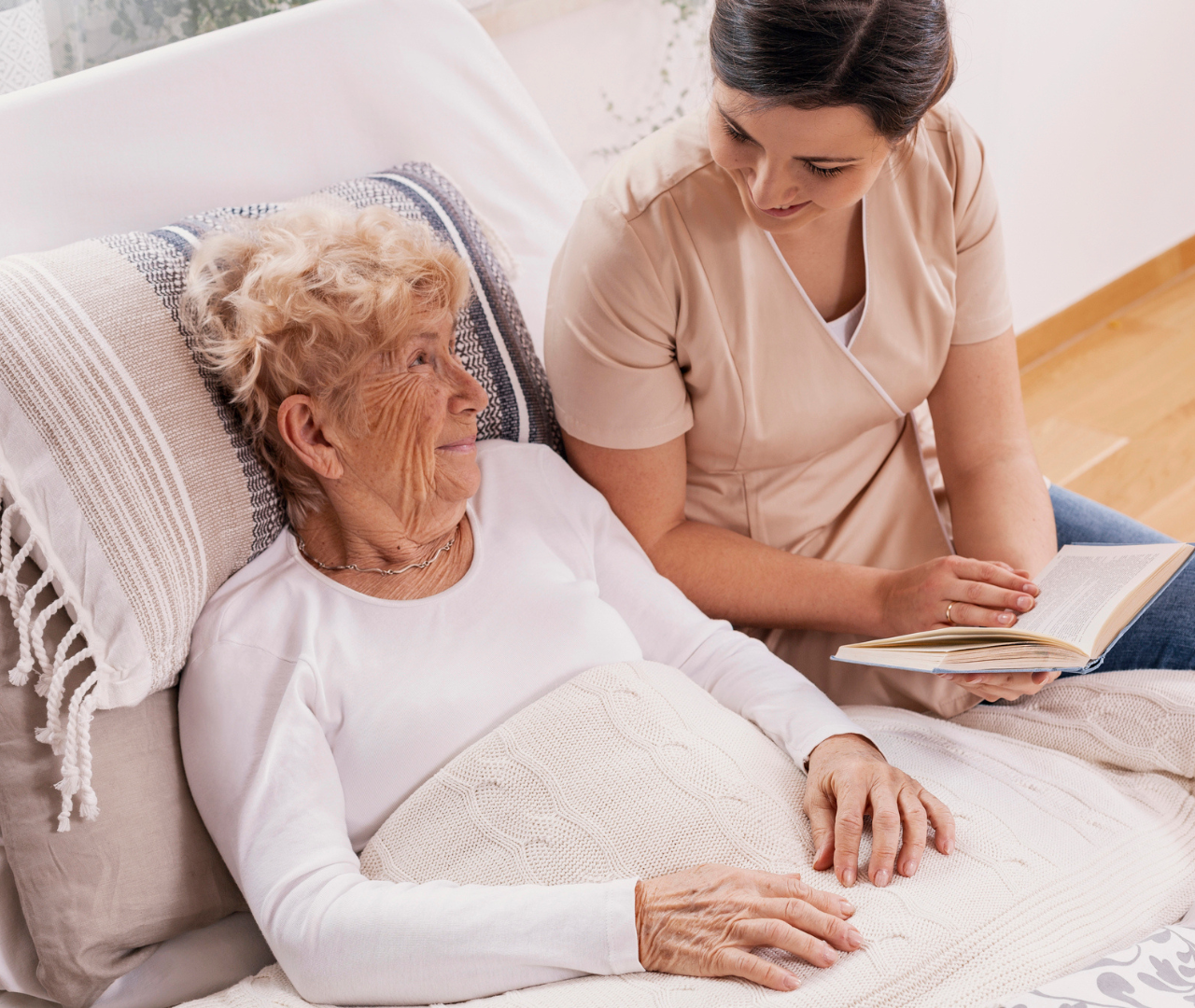
When a senior returns home after a stroke, families often feel relieved but also uncertain. Hospital care is structured and supervised. Home life is familiar but less controlled. Recovery does not stop at discharge. In many cases, the most important progress happens at home through daily routines, guided support, and careful observation. Home care providers play a major role in helping stroke survivors regain strength, safety, and confidence.
A rehabilitation nurse I once interviewed shared a simple truth. She said stroke recovery is not built in therapy rooms alone. It is built in kitchens, bathrooms, hallways, and daily habits. That idea is confirmed again and again by home care experts. The right home support can improve outcomes and reduce the risk of complications or readmission.
Here is a practical, expert style guide in story format with clear points and step by step tips.
A caregiver named Anita worked with a 76 year old stroke survivor who returned home with partial right side weakness and speech difficulty. The family first thought help meant only medication reminders. Anita explained that post stroke care is a system, not a single task. She helped them build that system step by step.
Safe Mobility and Fall Prevention Support
After a stroke, balance, strength, and coordination are often reduced. Fall risk is high. Home care providers focus first on safe movement.
Tips step by step
- Clear walking paths in main rooms
- Remove loose rugs and clutter
- Install grab bars in bathroom areas
- Use non slip footwear
- Supervise all walking at first
Therapists often say safety first, speed later. Slow safe movement builds confidence and prevents setbacks.
Medication Management and Monitoring
Stroke survivors usually return home with multiple medications. Timing and accuracy are critical to prevent another event.
Tips step by step
- Create a written medication chart
- Use a weekly pill organizer
- Set alarms for each dose
- Double check labels daily
- Track side effects and report them
Home care providers add a second layer of verification that families alone may struggle to maintain.
Blood Pressure and Health Tracking
Controlling blood pressure after a stroke is essential. Care providers help maintain consistent monitoring.
Tips step by step
- Check blood pressure at the same time daily
- Record readings in a log
- Note symptoms with each reading
- Watch for sudden changes
- Share logs with the doctor
Experts recommend trend tracking, not single readings, to guide treatment.
Support With Daily Living Activities
Stroke often affects dressing, bathing, eating, and toileting. Frustration is common. Proper assistance protects dignity while encouraging independence.
Tips step by step
- Allow extra time for each task
- Offer help only where needed
- Use adaptive tools if recommended
- Keep supplies within easy reach
- Maintain a calm pace
Occupational therapy experts stress guided independence rather than doing everything for the patient.
Nutrition and Swallowing Safety
Some stroke survivors have swallowing difficulty. Diet adjustments may be required. Home care providers follow therapy guidelines closely.
Tips step by step
- Follow prescribed food textures
- Seat the person upright for meals
- Encourage small bites and slow eating
- Monitor for coughing while swallowing
- Keep water available if approved
Speech and swallow therapists often train caregivers on these exact steps before discharge.
Speech and Communication Support
Communication challenges can lead to isolation. Home care providers help maintain interaction and practice.
Tips step by step
- Speak slowly and clearly
- Ask one question at a time
- Allow extra response time
- Use yes or no questions when needed
- Practice speech exercises daily
Experts emphasize patience. Rushing communication increases stress and reduces progress.
Physical Therapy Practice at Home
Exercises prescribed by therapists must continue at home. Care providers help maintain consistency.
Tips step by step
- Follow the therapist exercise list
- Schedule exercise at the same time daily
- Start with short sessions
- Watch form and posture
- Record completed sessions
Rehab specialists say repetition at home is what turns therapy gains into lasting ability.
Cognitive and Memory Support
Stroke can affect memory, attention, and decision making. Structure helps recovery.
Tips step by step
- Keep a daily schedule posted
- Use reminder notes
- Repeat instructions calmly
- Break tasks into small steps
- Use labeled storage areas
Neuro rehab experts recommend predictable routines to reduce confusion.
Emotional and Mental Health Care
Depression and anxiety are common after stroke. Emotional support is not optional. It is medical support.
Tips step by step
- Encourage daily conversation
- Schedule social contact
- Celebrate small improvements
- Watch for mood changes
- Report persistent sadness
Clinical teams often say mood affects physical recovery speed.
Caregiver and Family Coordination
Professional home care providers also guide families. Education reduces mistakes and stress.
Tips step by step
- Keep a shared care notebook
- Write down all instructions
- Track symptoms and progress
- Prepare questions for doctors
- Review plans weekly
Experts call this shared visibility. Everyone sees the same information.
Environment Setup for Recovery
The home itself should support recovery. Small changes make daily care easier.
Tips step by step
- Set up a main floor living space if possible
- Place essentials within arm reach
- Improve lighting
- Add stable seating with arm support
- Keep emergency numbers visible
Rehab nurses often say environment shapes behavior. A recovery friendly home encourages activity.
Final Thoughts
Home care after a stroke is structured, intentional, and expert guided. It includes safety support, medication control, therapy practice, nutrition management, communication help, and emotional care. Recovery is built through daily repetition and careful supervision.As many rehabilitation experts explain, the hospital starts recovery, but the home continues it. With trained home care support and step by step routines, stroke survivors have a far better chance to regain independence and quality of life. Consistency at home is the true engine of long term recovery.
Legal Disclaimer: This post is strictly for educational use and should not be construed as professional advice (medical, legal, financial, or otherwise).